Discovering Ancient Money Secrets: A Review of The Richest Man in Babylon by George S. Clason
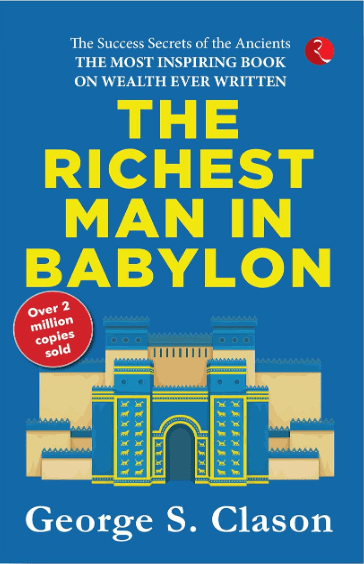
In today’s world, where there is so much advice about money, finding something truly helpful can be hard. The Richest Man in Babylon* by George S. Clason is a special book that has been helping people understand money since it was first published in 1926. It uses fun and easy-to-read stories set in the ancient city of Babylon to teach important lessons about saving,
investing, and managing money.
Even though these stories are old, the lessons they teach are still very useful today. Each chapter shares simple ideas that anyone can use to become better with money. Whether you are just starting to learn about money or already know a lot, this book has great tips to help you succeed.
In this blog post, we will go through each chapter of The Richest Man in Babylon, sharing the main lessons and explaining how they can help you in today’s world. Get ready to learn some timeless money secrets that can make a big difference in your life.
Chapter 1: The Man Who Desired Gold
Critical Insights
This chapter introduces Bansir, a chariot builder, who desires to escape poverty. The key Critical Insights is the importance of realizing the need for financial change and seeking knowledge to achieve it. It sets the stage for understanding that wealth is within everyone’s reach through learning and applying financial principles.
Present-Day Importance:
In today’s world, many people face financial struggles like Bansir’s. This chapter underscores the importance of financial literacy and taking the first step towards understanding and managing personal finances, which is crucial in our consumer-driven society.
Chapter 2: The Richest Man in Babylon
Critical Insights: Arkad, the richest man in Babylon, shares his wisdom on wealth accumulation. The core message is the “Seven Cures for a Lean Purse,” emphasizing saving at least 10% of your earnings, controlling expenditures, making your money work for you, protecting your wealth from loss, owning your home, securing a future income, and increasing your ability to earn.
Present-Day Importance:
Arkad’s seven cures for a lean purse are timeless financial principles. Saving a portion of income, controlling spending, and investing wisely are just as important now as they were in ancient times. With the complexities of modern financial products, these principles provide a clear, foundational approach to personal finance.
Chapter 3: Seven Cures for a Lean Purse
Critical Insights:
This chapter elaborates on Arkad’s seven cures:
- Save at least 10% of your income.
- Control thy expenditures (live within your means).
- Make thy gold multiply (invest wisely).
- Guard thy treasures from loss (avoid risky investments).
- Make of thy dwelling a profitable investment (own your home).
- Insure a future income (plan for retirement).
- Increase thy ability to earn (enhance your skills and knowledge).
Present-Day Importance:
The seven cures remain applicable as basic financial advice:- Saving: Automating savings through modern banking apps makes this easier.
- Controlling Expenditures: Budgeting tools and apps help track and manage spending.
- Investing Wisely: Investment options like stocks, bonds, and mutual funds allow for growth.
- Protecting Wealth: Understanding risk management and insurance is crucial.
- Home Ownership: Real estate is still a significant investment.
- Future Income: Retirement planning through 401(k)s, IRAs, and other plans is essential.
- Increasing Earning Ability: Continuous learning and skill development are vital in today’s rapidly changing job market.
Chapter 4: Meet the Goddess of Good Luck
Critical Insights:
Arkad explains that luck favors those who act and seize opportunities. The lesson here is to act on your ideas and take calculated risks rather than waiting for luck to strike.
Present-Day Importance:
This chapter’s focus on taking action to create opportunities is especially relevant in the performance of the economy and entrepreneurial landscape. Success often comes to those who seize opportunities and are proactive rather than passive.
Chapter 5: The Five Laws of Gold
Critical Insights:
Kalabab, a Babylonian trader, shares the Five Laws of Gold:
- Gold comes easily and in increasing quantity to those who save at least one-tenth of their earnings.
- Gold labors diligently and multiplies for the person who wisely invests it.
- Gold clings to the protection of the cautious owner who invests it under the advice of wise men.
- Gold slips away from the person who invests it in businesses or purposes with which they are not familiar or which are not approved by those skilled in its keep.
- Gold flees the person who tries to force it into impossible earnings or who follows the alluring advice of tricksters and schemers.
Present-Day Importance:
The five laws provide a framework for modern financial planning:- Saving: Automated savings plans are popular.
- Investing: The importance of diversified and prudent investments is widely acknowledged.
- Seeking Advice: Financial advisors and planners can provide valuable guidance.
- Avoiding Unfamiliar Ventures: Investors are cautioned against putting money into unknown or speculative ventures.
- Resisting Scams: With the rise of online fraud, being vigilant against get-rich-quick schemes is more crucial than ever.
- Saving: Automated savings plans are popular.
- Investing: The importance of diversified and prudent investments is widely acknowledged.
- Seeking Advice: Financial advisors and planners can provide valuable guidance.
- Avoiding Unfamiliar Ventures: Investors are cautioned against putting money into unknown or speculative ventures.
- Resisting Scams: With the rise of online fraud, being vigilant against get-rich-quick schemes is more crucial than ever.
Chapter 6: The Gold Lender of Babylon
Critical Insights:
Rodan, the spear maker, learns about the importance of lending money wisely from Mathon, a gold lender. The key lesson is to lend money only when there is a reasonable expectation of its return and to avoid lending based on sentiment.
Present-Day Importance:
The principles of wise lending and borrowing are critical in an era of easy credit. Understanding interest rates, credit scores, and the implication of debt is essential for maintaining financial health.
Chapter 7: The Walls of Babylon
Critical Insights:
This chapter uses the metaphor of Babylon’s walls to emphasize the importance of financial security and protection. It underscores the need to safeguard your wealth and build a secure financial future.
Present-Day Importance:
Building financial security through savings, insurance, and emergency funds is paramount. Just as Babylon’s walls protected the city, modern financial strategies protect against unforeseen economic hardships.
Chapter 8: The Camel Trader of Babylon
Critical Insights:
Dabasir, a camel trader, shares his journey from slavery to financial independence. The lesson here is about the power of determination, self-discipline, and sticking to a plan to repay debts and rebuild one’s financial life.
Present-Day Importance:
Dabasir’s journey from debt to financial independence mirrors the challenges many faces today. Debt repayment plans and financial discipline are key to overcoming modern debt issues like student loans, credit card debt, and mortgages.
Chapter 9: The Clay Tablets from Babylon
Critical Insights:
This chapter presents the ancient tablets discovered in Babylon, revealing timeless financial wisdom. The tablets reiterate the principles of saving, prudent investing, and the wise use of money.
Present-Day Importance:
The principles inscribed on the tablets echo the importance of financial records and budgeting. Modern tools like spreadsheets, budgeting apps, and financial planning software help individuals manage their finances effectively.
Chapter 10: The Luckiest Man in Babylon
Critical Insights:
Sharru Nada, a successful merchant, reflects on his life and the choices that led to his prosperity. The Critical Insights is that hard work, wise decisions, and ethical conduct lead to long-term success and luck.
Present-Day Importance:
Ethical behavior, hard work, and wise decision-making are still essential for long-term success. Networking, professional integrity, and strategic planning contribute to becoming “lucky” in today’s competitive environment.
Conclusion:
Timeless Wisdom from George S. Clason In a world where financial advice can be confusing, The Richest Man in Babylon by George S.
Clason is a shining example of clear and helpful guidance. Through his engaging stories, Clason shares timeless lessons about managing money that are easy to understand and follow. This book has helped many people achieve financial success and independence.
George S. Clason’s wisdom and storytelling make this book a must-read for anyone wanting to learn more about money. His advice is simple, yet powerful, and can help you build a strong financial future.
If you want to take control of your finances and learn from one of the greatest financial teachers, I highly recommend buying The Richest Man in Babylon. This book is more than just stories; it is a guide to achieving financial freedom.
Don’t miss out on this amazing opportunity to improve your financial skills. Click here to buy The Richest Man in Babylon and start your journey to financial success today.
 Finance World
Leave a comment