Episode 6: Sustainable Living and Financial Health
Date 21 July 2024
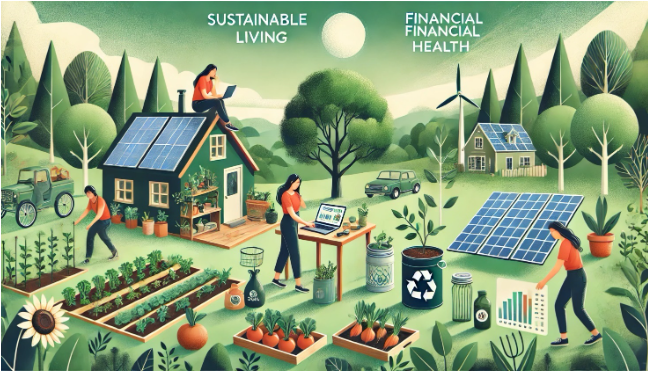
Sustainable living is more than just a trend; it is a lifestyle choice that benefits both the environment and your wallet. By adopting eco-friendly practices, you can reduce your carbon footprint and save money. In this episode, we explore how sustainable living practices can lead to better financial health and contribute to a healthier planet.
Understanding Sustainable Living
Sustainable living involves making choices that reduce your environmental impact. This includes conserving resources, minimizing waste, and making conscious decisions about what you buy and how you live. Sustainable practices can be applied to various aspects of life, from energy consumption to food choices and transportation.
Ananya’s Sustainable Living Journey
Ananya, a graphic designer in Bangalore, was always concerned about environmental issues. She followed news about climate change and felt a deep responsibility to do her part. However, she often thought that living sustainably would be expensive and time-consuming. One month, after receiving an unusually high electricity bill, Ananya decided to make some
changes. She started small, replacing all her light bulbs with energy-efficient LEDs and unplugging devices when not in use. To her surprise, these simple steps significantly reduced her electricity bill.
Encouraged by these savings, Ananya began exploring other ways to live sustainably. She started composting kitchen waste, which reduced her garbage output and provided nutrient-rich soil for her balcony garden. Growing her own herbs and vegetables not only saved money but also provided fresh, organic produce.
Ananya also switched to reusable products like cloth bags, stainless steel water bottles, and beeswax wraps. These changes reduced her dependency on single-use plastics and cut down her household expenses over time.
Additionally, Ananya began biking to work instead of driving. This not only saved her money on fuel and parking but also improved her health and reduced her carbon footprint.
The impact on Ananya’s finances was significant. Her utility bills decreased, grocery expenses dropped, and transportation costs were minimized. Beyond the financial benefits, Ananya found a sense of fulfilment and pride in living sustainably. She felt healthier, more connected to her community, and more in tune with the environment.
Ananya’s journey shows that sustainable living can lead to substantial financial savings and a healthier lifestyle. Her story is a powerful reminder that small, eco-friendly changes can have a big impact on both your wallet and the planet.
Story Conclusion
Ananya’s story highlights the financial and environmental benefits of sustainable living. By adopting eco-friendly practices, you can save money and contribute to a healthier planet. In the next episode, we will analyze the impact of social media on spending habits. Discover how social media influences our financial decisions and learn strategies to mitigate its negative effects. Stay tuned to uncover the secrets to maintaining financial discipline in the age of social media.
The Financial Benefits of Sustainable Living
- Energy Efficiency: One of the most effective ways to save money and reduce environmental impact is by improving energy efficiency in your home. Simple changes like switching to LED bulbs, using energy-efficient appliances, and insulating your home can significantly reduce energy bills.
- Waste Reduction: Reducing waste not only helps the environment but also saves money. By adopting practices like composting, recycling, and buying products with less packaging, you can lower your waste disposal costs and reduce the frequency of purchases.
- Sustainable Transportation: Opting for sustainable transportation methods, such as biking, walking, carpooling, or using public transport, can save you a substantial amount of money on fuel and vehicle maintenance. Additionally, investing in a fuel-efficient or electric vehicle can lead to long-term savings.
- Mindful Consumption: Practicing mindful consumption involves buying only what you need and choosing high-quality, durable products. This reduces the frequency of replacements and repairs, ultimately saving you money. Buying second-hand items or participating in community swaps are also great ways to save.
- Growing Your Own Food: Starting a home garden can significantly cut down on grocery bills while providing fresh, organic produce. Even if you have limited space, container gardening or joining a community garden can offer substantial savings and health benefits.
- Water Conservation: Implementing water-saving techniques, such as using low-flow showerheads, fixing leaks, and collecting rainwater for gardening, can reduce your water bill and contribute to environmental conservation.
Practical Steps to Adopt Sustainable Living
- Conduct an Energy Audit: Identify areas where you can improve energy efficiency in your home. Many utility companies offer free or low-cost energy audits.
- Implement a Zero-Waste Lifestyle: Start small by reducing single-use plastics, using reusable bags and containers, and composting organic waste. Gradually work towards a more comprehensive zero-waste lifestyle.
- Choose Sustainable Products: Look for products that are eco-friendly, made from sustainable materials, and have minimal packaging. Support companies that prioritize sustainability in their operations.
- Educate Yourself: Stay informed about sustainable practices and innovations. Books, documentaries, and online resources can provide valuable insights and inspiration.
- Join a community: Engage with local or online communities that focus on sustainability. Sharing tips, resources, and experiences can make the transition to sustainable living easier and more enjoyable.
Environmental Benefits of Sustainable Living
- Reduced Carbon Footprint: Sustainable living practices help lower greenhouse gas emissions, contributing to the fight against climate change.
- Conservation of Resources: By using resources more efficiently and reducing waste, we can preserve natural resources for future generations.
- Improved Air and Water Quality: Sustainable practices, such as reducing vehicle emissions and minimizing the use of harmful chemicals, contribute to cleaner air and water.
- Enhanced Biodiversity: Sustainable agriculture and gardening practices promote biodiversity by preserving natural habitats and supporting a variety of plant and animal species.
Conclusion
Sustainable living is a powerful way to improve your financial health while making a positive impact on the environment. By adopting energy-efficient practices, reducing waste, choosing sustainable products, and conserving resources, you can save money and contribute to a healthier planet. Start integrating these practices into your daily life and experience the financial and environmental benefits of sustainable living.
Next Steps
In our next episode, we will analyze the impact of social media on spending habits. Discover how social media influences our financial decisions and learn strategies to mitigate its negative effects. Stay tuned to uncover the secrets to maintaining financial discipline in the age of social media.
 Finance World
Leave a comment