Bollinger Band Rules
Date: 22 Sept 2024
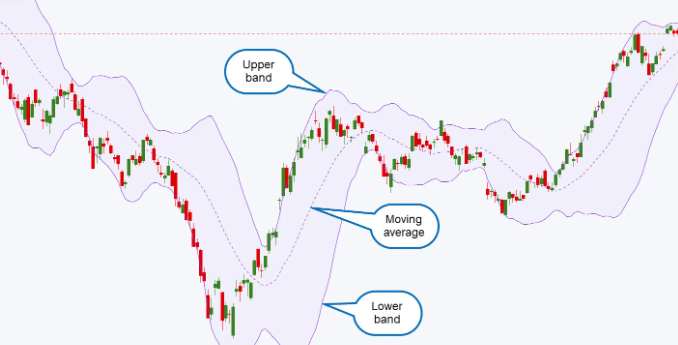
In this chapter, Bollinger lays out a comprehensive set of rules for effectively using Bollinger Bands in trading. These rules cover aspects such as setup, signal identification, entry and exit strategies, and risk management.
Analysis:
Bollinger’s rules are designed to provide structure and consistency to the use of Bollinger Bands. He emphasizes the importance of using Bollinger Bands as part of a broader trading strategy rather than in isolation. The rules include guidelines for adjusting the bands to fit different market conditions, such as increasing the standard deviation during periods of high volatility or using longer moving averages for longer-term trends. Bollinger also discusses the importance of risk management, advising traders to set stop-loss orders based on the bands and to avoid over-leveraging. By following these rules, traders can develop a disciplined approach that reduces emotional decision-making and enhances long-term success.
Key Takeaways:
Ψ Structured Approach: Bollinger’s rules provide a clear framework for using Bollinger Bands effectively in various market conditions.
Ψ Adaptability: The rules allow for adjustments based on volatility and market trends, making them applicable across different timeframes and asset classes.
Ψ Risk Management: Emphasizes the importance of setting stop-loss orders and managing leverage to protect against significant losses.
Relevance in Today’s Scenario:
In today’s markets, where discipline and consistency are critical to success, Bollinger’s rules offer a valuable framework for traders. These rules are particularly relevant in environments where emotional decision-making can lead to significant losses. By adhering to a structured approach, traders can navigate the complexities of modern markets with greater confidence and control.
 Finance World
Leave a comment