Episode 5: The Shame Spiral — Why We Hide Our Financial Struggles
Series: Broken by Burden: Financial Survival Strategies for the Troubled Mind
Date: 18 June 2025
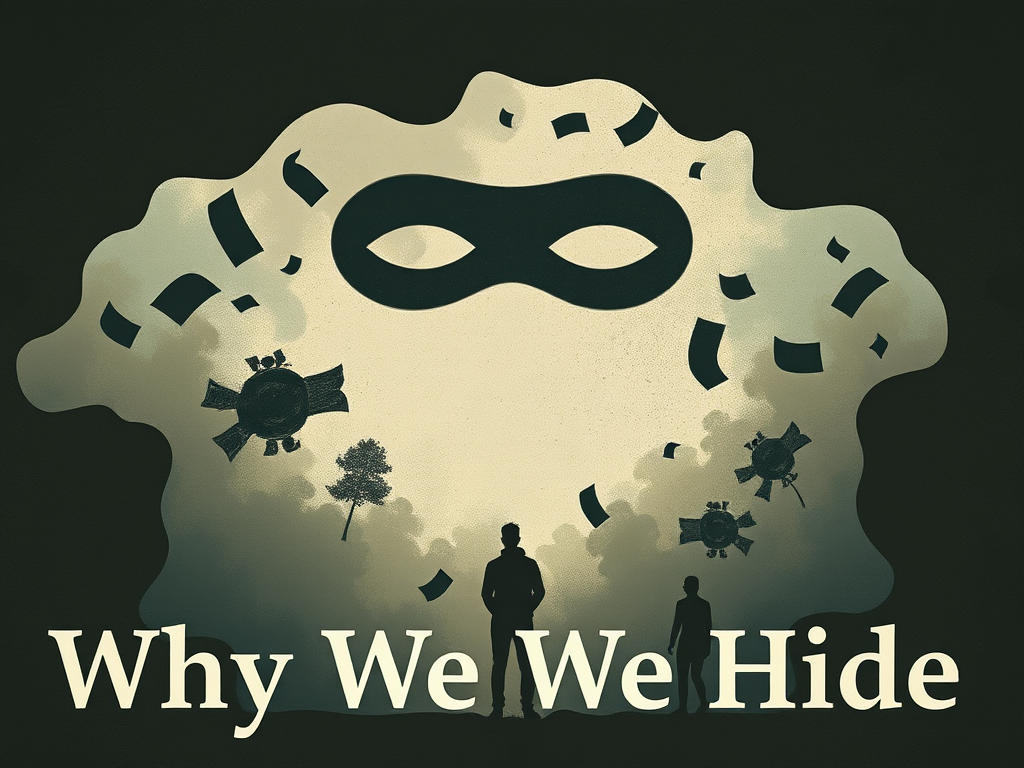
🕳 “We don’t wear our debt on our faces — we carry it in our silence.”
Karthik was once the star of his engineering batch in Chennai — sharp, confident, and admired. He got placed in a top IT firm, bought a car, even booked a flat on loan. Life was a ladder he thought he was climbing fast.
Until the layoff.
Then came the months of unpaid EMIs, cancelled insurance policies, and skipped family gatherings. He started making excuses for why he couldn’t meet friends. Switched off his phone often. Spent hours staring at the ceiling, paralyzed by dread.
He stopped talking about his situation — not because no one cared, but because he believed no one should know.
Shame had moved in. And it spoke louder than his voice.
🧠 Why Shame is a Financial Killer
Money troubles hurt. But what kills us inside is not the loss of money — it’s the loss of dignity.
We’re taught from childhood:
- That success = wealth
- That debt = irresponsibility
- That asking for help = failure
So when we struggle financially, we don’t talk about it. We:
- Lie about our circumstances
- Avoid eye contact during conversations about money
- Fake stability while internally crumbling
And in that process, we isolate ourselves from the very help that could save us.
🌀 The Same Spiral in Action
- Struggle begins: Job loss, debt, sudden expenses
- Guilt creeps in: “How did I let this happen?”
- Avoidance sets in: Ignoring bills, dodging calls
- Shame builds: “I can’t let anyone know.”
- Isolation follows: No socializing, no support
- Mental health declines: Anxiety, depression, hopelessness
The shame spiral is self-feeding. And unless interrupted, it deepens into despair.
💡 The Antidote to Shame is Not More Money — It’s Connection
1. Speak. Even if your voice trembles.
“You don’t have to tell everyone. But tell someone.” Find one person — a friend, a sibling, a counselor. Open the door just a little.
2. Replace judgment with honesty.
Instead of “I’m a failure,” say:
- “I’m facing something difficult.”
- “I don’t have all the answers right now.”
- “I made some choices that didn’t work, but I’m still learning.”
3. Seek stories — not comparisons.
Everyone around you has a private financial struggle. Some are just better at hiding it. Read stories of resilience. Follow people who share failures too, not just wins.
4. Name your fear out loud.
Write it down or say it aloud:
“I’m scared that people will look down on me if they knew I’m broke.”
And then ask yourself — is that really true? Or is it fear talking?
✨ You Deserve to Be Heard
Karthik eventually opened up to a college friend who had quietly gone through the same thing. That conversation didn’t solve his financial crisis — but it disarmed his shame. He began freelancing, paid off one EMI at a time, and slowly rebuilt not just his finances — but his voice.
You are not your bank balance.
You are not your past mistakes.
You are not weak for falling.
You are strong for standing back up — even if it takes time.
🔜 Next Episode Teaser:
Episode 6: From Dignity to Despair — When the Provider Can’t Provide
We’ll explore the hidden emotional collapse that occurs when breadwinners lose their financial power, and how to rebuild self-respect from within.
Disclaimer:
This blog series is intended for informational, motivational, and emotional support purposes only. It is not a substitute for professional financial, legal, or mental health advice. If you or someone you know is experiencing overwhelming financial stress, mental health issues, or suicidal thoughts, please seek help from a certified financial advisor, counsellor, or licensed therapist. If you are in immediate danger or crisis, contact a mental health helpline or emergency service in your area.
The stories presented here are inspired by real experiences but may be anonymized or adapted for narrative clarity. Readers are encouraged to make decisions based on their unique circumstances and to consult appropriate professionals. The author and publisher disclaim any responsibility for actions taken based on this content.
 Finance World
Leave a comment