The Wise Investor
Episode 3: Understanding Risk and Return

Welcome back to “The Wise Investor.” In our previous episodes, we introduced the fundamentals of investment and discussed why investing is essential for achieving your financial goals. Today, we explore a crucial concept that every investor must understand: the relationship between risk and return. This episode will demystify these concepts and provide you with the knowledge to make informed investment decisions.

The Fundamentals of Risk and Return
What is Risk?
Risk in investment refers to the potential of losing some or all of your invested capital. It is the uncertainty associated with the returns on an investment. Understanding risk is crucial because it influences your investment strategy and decisions. Here are some common types of investment risks:
- Market Risk: The risk of investments declining in value due to economic developments or other events that affect the entire market.
- Credit Risk: The risk that a borrower will default on their obligations, impacting the return on debt investments like bonds.
- Liquidity Risk: The risk of not being able to sell an investment quickly without reducing its price significantly.
- Interest Rate Risk: The risk that changes in interest rates will affect the value of fixed-income investments.
- Inflation Risk: The risk that inflation will erode the purchasing power of returns.
What is Return?
Return is the gain or loss generated on an investment over a particular period. It is usually expressed as a percentage of the initial investment. Returns can come in various forms, such as:
- Capital Gains: The profit earned from selling an asset for more than its purchase price.
- Dividends: Payments made by a corporation to its shareholders, usually in the form of cash or additional stock.
- Interest: Income earned from lending money or investing in fixed-income securities like bonds.
The Risk-Return Tradeoff
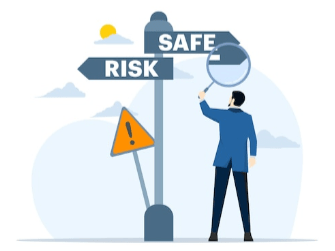
The risk-return trade-off is a fundamental principle in investing, stating that potential return rises with an increase in risk. Investors need to balance their desire for the highest possible return with an acceptable level of risk. Here are some key points to understand this trade-off:
- High Risk, High Return: Investments like stocks, real estate, and cryptocurrencies can offer high returns but come with significant risk.
- Low Risk, Low Return: Investments such as savings accounts, government bonds, and certificates of deposit (CDs) offer lower returns but are generally safer.

The Importance of Risk Tolerance
Risk tolerance is your ability and willingness to endure market volatility and potential losses. It is influenced by factors such as your financial situation, investment goals, and time horizon. Understanding your risk tolerance helps you make investment choices that align with your comfort level and financial objectives.
Assessing Risk Tolerance
To assess your risk tolerance, consider the following questions:
- What is your investment goal? Are you saving for retirement, a house, or education? Long-term goals may allow for higher risk.
- What is your time horizon? How long can you keep your money invested? Longer time horizons can typically withstand more volatility.
- How would you react to a significant loss? If your investments lost 20% of their value, how would you feel and what would you do?
Strategies to Manage Risk
Understanding and managing risk is essential to successful investing. Here are some strategies to help you manage risk effectively:
a. Diversification
Diversification involves spreading your investments across different asset classes, industries, and geographic regions to reduce risk. By not putting all your eggs in one basket, you can mitigate the impact of a poor-performing investment.
b. Asset Allocation
Asset allocation is the process of dividing your investment portfolio among different asset categories, such as stocks, bonds, and cash. Your asset allocation should reflect your risk tolerance, investment goals, and time horizon.
c. Regular Review and Rebalancing
Regularly reviewing and rebalancing your portfolio ensures that it remains aligned with your risk tolerance and investment objectives. Rebalancing involves adjusting your asset allocation back to your desired levels.
d. Staying Informed
Staying informed about market trends, economic indicators, and global events helps you make better investment decisions. Continuous learning and staying updated can reduce uncertainty and improve your ability to manage risk.
Conclusion
Understanding the relationship between risk and return is fundamental to making informed investment decisions. By assessing your risk tolerance and employing strategies like diversification and asset allocation, you can navigate the complexities of investing and work towards achieving your financial goals.
In our next episode, we will explore different investment vehicles and how to choose the ones that best suit your risk tolerance and financial objectives. Stay tuned as we continue to guide you through the exciting world of investment.
Remember, every investment carries some level of risk, but with knowledge and strategy, you can manage these risks and pave the way for financial success. Let’s continue this journey together and unlock the full potential of your financial future.
<<Previous Page________________________________________________Next Page>>


Leave a Reply